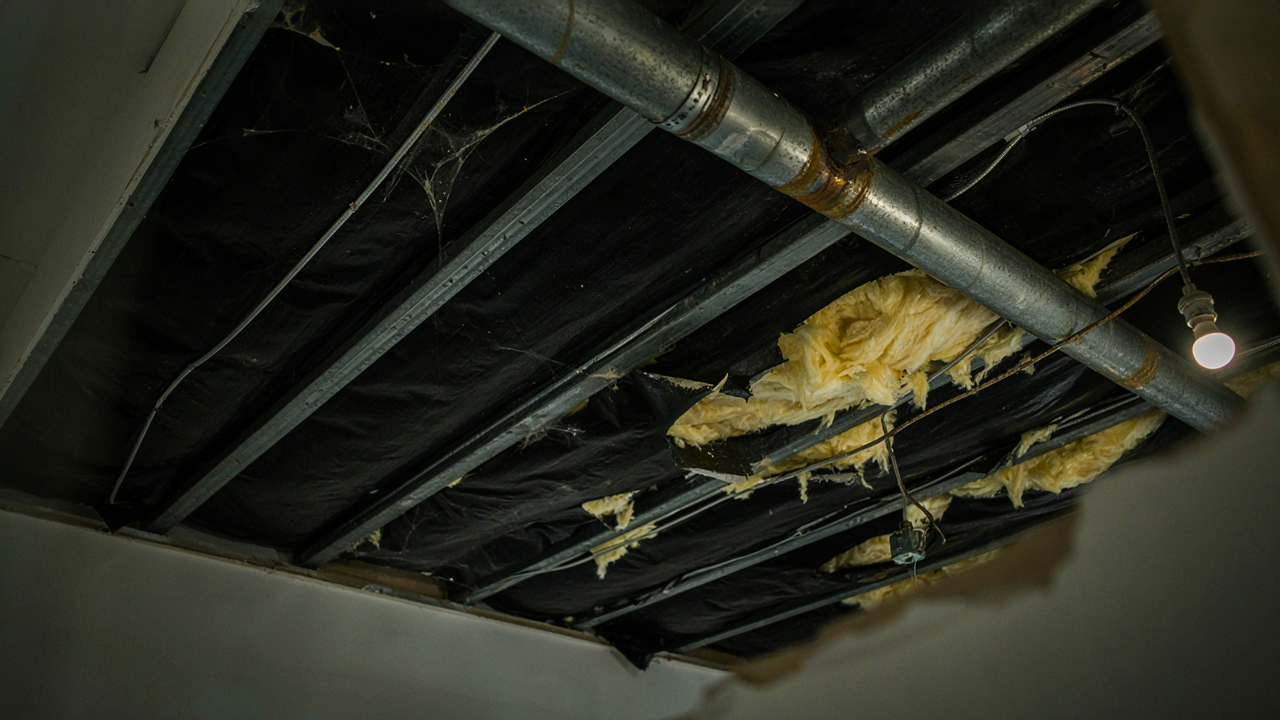

Air flow problems Houston homeowners experience are often misdiagnosed as air conditioning equipment failures. When rooms feel too warm, energy bills keep rising, or the AC seems to run constantly, many people assume the system itself is failing.
However, the real problem may not be the air conditioner at all.
Your HVAC system is designed to move a specific amount of conditioned air throughout your home. If airflow is restricted, unbalanced, or leaking through damaged ductwork, the entire system must work harder to deliver the same level of comfort.
In a climate like Houston, where air conditioning systems operate for much of the year, airflow issues can significantly impact energy efficiency, indoor comfort, and long-term system performance.
Before investing in expensive repairs or considering a system replacement, it’s important to understand how airflow affects your HVAC system and why it could be the hidden cause of your comfort problems.
Air Flow Problems Houston: Why Proper Airflow Matters
Your HVAC system is more than just an air conditioner.
It is an entire comfort system designed to:
- Condition air
- Move air
- Distribute air evenly
- Control humidity
- Maintain comfort
Even the most efficient air conditioner cannot perform properly if airflow is compromised.
When airflow is restricted, the system must run longer cycles, consume more energy, and experience greater wear and tear.
Over time, this can lead to increased utility costs and unnecessary repairs.
Common Signs of Airflow Problems
Many homeowners experience airflow issues without realizing it.
Common warning signs include:
Uneven Temperatures
Some rooms feel comfortable while others remain warm.
This is one of the most common indicators of airflow imbalance.
Weak Air Coming From Vents
If airflow feels weak in certain areas of the home, restrictions within the duct system may be preventing proper distribution.
Higher Energy Bills
When airflow is compromised, the HVAC system often runs longer to reach the thermostat setting.
More runtime typically means higher utility costs.
AC Runs Constantly
If your system rarely shuts off during normal weather conditions, airflow problems may be preventing efficient cooling.
Excess Humidity Indoors
Houston’s climate already creates humidity challenges.
Poor airflow can make moisture control even more difficult, causing the home to feel uncomfortable despite lower temperatures.
What Causes Airflow Problems?
Several issues can affect airflow performance.
Dirty Air Filters
Clogged filters are one of the simplest yet most common causes of airflow restrictions.
When filters become dirty:
- Air movement decreases
- Efficiency drops
- System strain increases
Regular filter replacement is essential.
Ductwork Leaks
Leaking ductwork allows conditioned air to escape before reaching living spaces.
This means the system works harder while delivering less comfort.
Blocked or Closed Vents
Furniture, curtains, or intentionally closed vents can disrupt airflow balance throughout the home.
Poor Duct Design
Some homes have duct systems that were improperly designed or installed.
This can create persistent airflow issues regardless of the equipment’s condition.
Blower Problems
The blower motor is responsible for moving air through the system.
If it is malfunctioning, airflow may be significantly reduced.
How Airflow Problems Increase HVAC Costs
Many homeowners focus only on repair costs when evaluating HVAC performance.
However, airflow issues often create hidden expenses.
Increased Energy Consumption
Longer operating cycles lead to higher electricity usage.
More Frequent Repairs
Additional strain can accelerate wear on:
- Compressors
- Motors
- Fans
- Electrical components
Reduced Equipment Lifespan
An HVAC system that constantly struggles to move air may wear out years earlier than expected.
Why Airflow Testing Is So Important
One of the most effective ways to diagnose air flow problems Houston homeowners face is through professional airflow testing.
Rather than guessing, technicians measure:
- Air volume
- System pressure
- Duct performance
- Air distribution
This data helps identify inefficiencies that may not be visible during a standard inspection.
At Punbar, performance-based evaluations focus on understanding how the entire HVAC system operates—not just individual components.
This approach helps homeowners avoid unnecessary upgrades and ensures solutions address the actual cause of the problem.
Can Airflow Problems Be Fixed Without Replacing the System?
In many cases, yes.
Depending on the source of the issue, solutions may include:
- Air filter replacement
- Duct sealing
- Duct repairs
- Airflow balancing
- Vent adjustments
- Blower repairs
Many homes achieve significant comfort improvements without replacing the HVAC equipment itself.
Air flow problems Houston homeowners experience often go unnoticed until comfort declines or energy bills increase.
The good news is that airflow issues are frequently correctable when properly diagnosed.
Before assuming your air conditioner needs replacement, it’s worth evaluating how effectively air is moving throughout your home.
A properly balanced HVAC system can improve comfort, lower operating costs, reduce system strain, and help you get the most from your heating and cooling investment.
FAQs
Can airflow problems make my AC stop cooling properly?
Yes. Restricted airflow can prevent conditioned air from reaching living spaces efficiently, making it appear that the AC is failing.
How do I know if my ductwork has airflow issues?
Common signs include uneven temperatures, weak airflow from vents, higher energy bills, and excessive system runtime.
Is airflow testing worth it?
Absolutely. Airflow testing can identify hidden performance issues that impact comfort, efficiency, and HVAC lifespan.
By Marielys Ceballos