
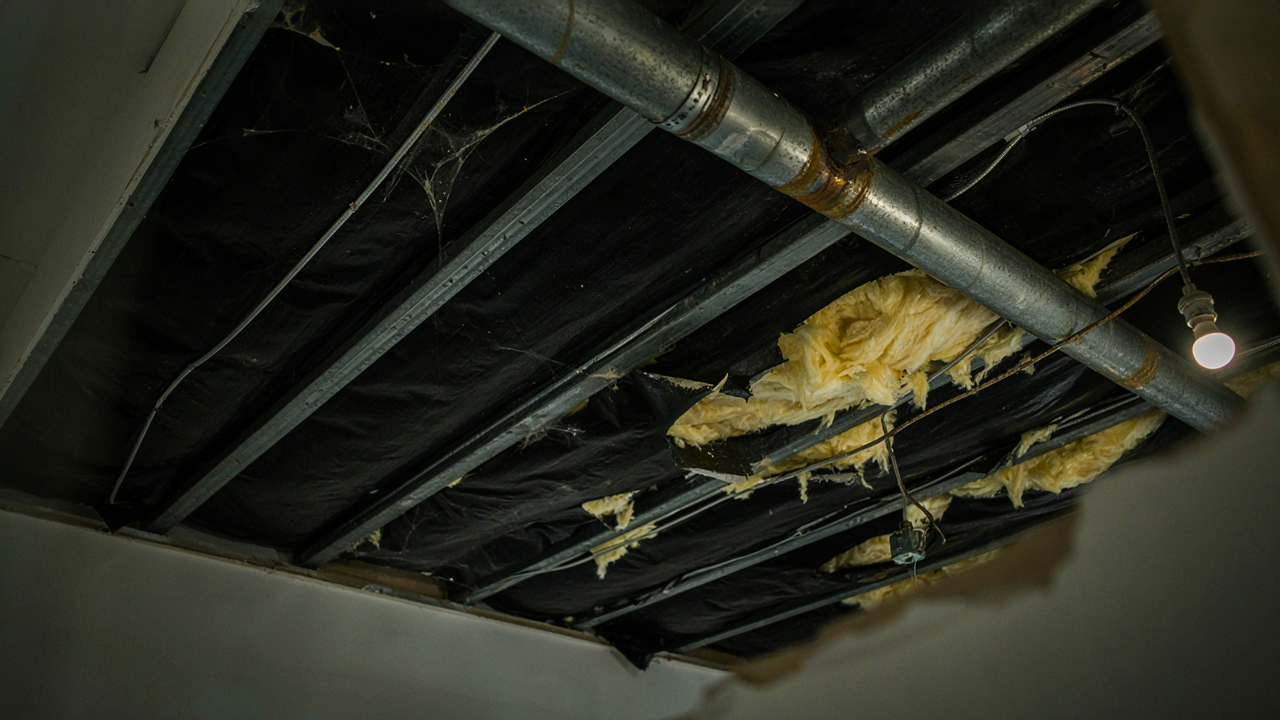
Can HVAC insulation reduce energy costs? It can, particularly when inadequate or damaged insulation allows conditioned air or heat to move through areas where it shouldn’t.
For Houston homes and businesses, insulation plays an important role in how effectively an HVAC system maintains indoor comfort. Hot outdoor temperatures can put significant demands on air conditioning systems, and poor insulation can make it harder to maintain consistent indoor temperatures.
Understanding the connection between insulation and HVAC performance can help property owners determine whether improving insulation could make their building more comfortable and energy efficient.
How Does Insulation Affect HVAC Energy Use?
HVAC insulation Houston properties rely on insulation to help control heat transfer between conditioned spaces and the surrounding environment.
When insulation is performing properly, it helps slow the movement of heat. During Houston’s hot weather, that means less outdoor heat entering areas that are being cooled.
Without sufficient insulation, heat can move more easily through ceilings, walls, attics, ducts, and other parts of a building. The HVAC system may then need to operate longer or more frequently to maintain the desired indoor temperature.
Better insulation does not make an HVAC system more powerful. Instead, it can help reduce the amount of work the system needs to do to maintain comfort.
Can HVAC Insulation Reduce Energy Costs?
Yes, improving insulation can contribute to lower energy consumption, but the actual savings depend on several factors.
These can include:
- The current condition and amount of insulation
- Where insulation is missing or insufficient
- The size and design of the building
- Air leakage and ductwork conditions
- The efficiency and condition of the HVAC system
- Indoor temperature settings
- Outdoor weather conditions
If a building has significant areas where heat transfer is occurring, improving insulation can help the HVAC system maintain indoor temperatures more consistently.
However, insulation is only one part of overall HVAC efficiency. A complete evaluation can help determine whether insulation is actually one of the factors affecting system performance.
What Happens When a Home Has Poor Insulation?
Poor insulation doesn’t always announce itself with an obvious problem.
You may notice symptoms such as:
- Rooms that are consistently warmer than others
- An upstairs area that feels much hotter
- HVAC equipment running for extended periods
- Difficulty maintaining the thermostat setting
- Uneven temperatures between rooms
- Higher-than-expected energy consumption
- An attic or other area becoming excessively hot
These symptoms can have multiple causes. Poor insulation is one possibility, but airflow, ductwork, system sizing, equipment condition, air leakage, and other factors can also affect comfort.
That’s why identifying the underlying cause matters.
Where Does Insulation Matter Most?
Different parts of a building can benefit from insulation improvements depending on their current condition.
Attic Insulation
The attic is particularly important in Houston because it can become extremely hot during the summer.
Insufficient attic insulation can allow heat to transfer into the conditioned space below. Improving insulation in this area can help reduce that heat transfer and make it easier for the HVAC system to maintain indoor temperatures.
Duct Insulation
Ductwork carries conditioned air throughout the building. If ducts pass through hot, unconditioned spaces and are not properly insulated, some of the temperature difference can be lost before the air reaches the rooms being conditioned.
Proper duct insulation can help the system deliver conditioned air more effectively.
Walls and Other Areas
Depending on the building’s construction and existing insulation, walls and other areas may also contribute to unwanted heat transfer.
An HVAC professional can help determine whether insulation improvements in these areas are appropriate.
Should You Improve Insulation Before Replacing Your HVAC System?
Not necessarily—but it is worth evaluating the building before making a major HVAC investment.
Imagine replacing an AC system while significant heat is still entering through poorly insulated areas. The new equipment may operate efficiently, but it still has to deal with the same building conditions.
That is why insulation, ductwork, airflow, and HVAC equipment should be considered as interconnected parts of the overall comfort system.
In some cases, improving insulation may be an important part of the solution. In others, the primary issue may be elsewhere.
The goal is to identify what the property actually needs rather than automatically replacing equipment.
How Can Better Insulation Support HVAC Efficiency?
A properly insulated building can help an HVAC system maintain the desired indoor temperature with less heat transfer from outside.
That can support:
More consistent comfort: The HVAC system may have an easier time maintaining temperatures across the building.
Reduced HVAC runtime: When less heat enters the conditioned space, the system may not need to operate as frequently or for as long.
Less strain on equipment: Reducing the cooling load can help prevent unnecessary demand on the HVAC system.
Better overall efficiency: Insulation works together with properly sized equipment, adequate airflow, effective ductwork, and other factors that influence system performance.
It is important to remember that insulation is not a guaranteed energy-saving solution for every property. The potential benefit depends on the existing conditions.
What Should Houston Property Owners Check Before Adding Insulation?
Before investing in insulation improvements, consider having the property evaluated.
An HVAC professional can look for factors such as:
- Existing insulation levels — Is there enough insulation for the space and building conditions?
- Insulation condition — Is it damaged, compressed, deteriorated, or otherwise ineffective?
- Air leakage — Are gaps or openings allowing unwanted air movement?
- Ductwork — Are ducts properly insulated and performing as expected?
- Airflow — Is conditioned air reaching the spaces that need it?
- HVAC performance — Is the equipment operating properly for the property’s needs?
Looking at these factors together provides a more complete picture than evaluating insulation by itself.
Is HVAC Insulation Worth It in Houston?
For properties with inadequate insulation or significant heat transfer, improving insulation can be a practical part of an overall efficiency strategy.
Houston’s hot climate means buildings can experience substantial heat exposure, especially during the summer. Reducing unwanted heat transfer can help the HVAC system maintain indoor comfort more effectively.
But the right solution depends on the property.
If you’re noticing high energy consumption, inconsistent temperatures, or excessive HVAC runtime, don’t assume insulation is automatically the problem—or that replacing the AC is the answer.
A professional evaluation can help identify where improvements are most likely to make a difference.
Improve Your Home’s Thermal Performance
Your HVAC system doesn’t work alone. The building envelope, insulation, ductwork, airflow, and equipment all influence how efficiently your home or business stays comfortable.
If your property needs insulation improvements, Punbar Air can help evaluate the situation and determine where insulation may improve HVAC performance.
For a limited time, ask about 10% OFF Insulation. Call Punbar Air to learn more and schedule a visit.
Frequently Asked Questions
1. Can HVAC insulation reduce energy costs?
Yes, improving inadequate insulation can reduce unwanted heat transfer and may help an HVAC system operate less frequently or for shorter periods. Actual energy savings depend on the property’s existing insulation, HVAC system, building characteristics, and other conditions.
2. How do I know if my Houston home needs better insulation?
Signs can include rooms that are consistently hotter than others, excessive HVAC runtime, difficulty maintaining indoor temperatures, and higher-than-expected energy consumption. These symptoms can have several causes, so a professional evaluation can help identify whether insulation is contributing to the problem.
3. Does duct insulation improve HVAC efficiency?
Proper duct insulation can help reduce heat transfer when ductwork passes through hot or unconditioned areas. This can help conditioned air maintain a more appropriate temperature as it travels through the duct system.
By Calixto Armas