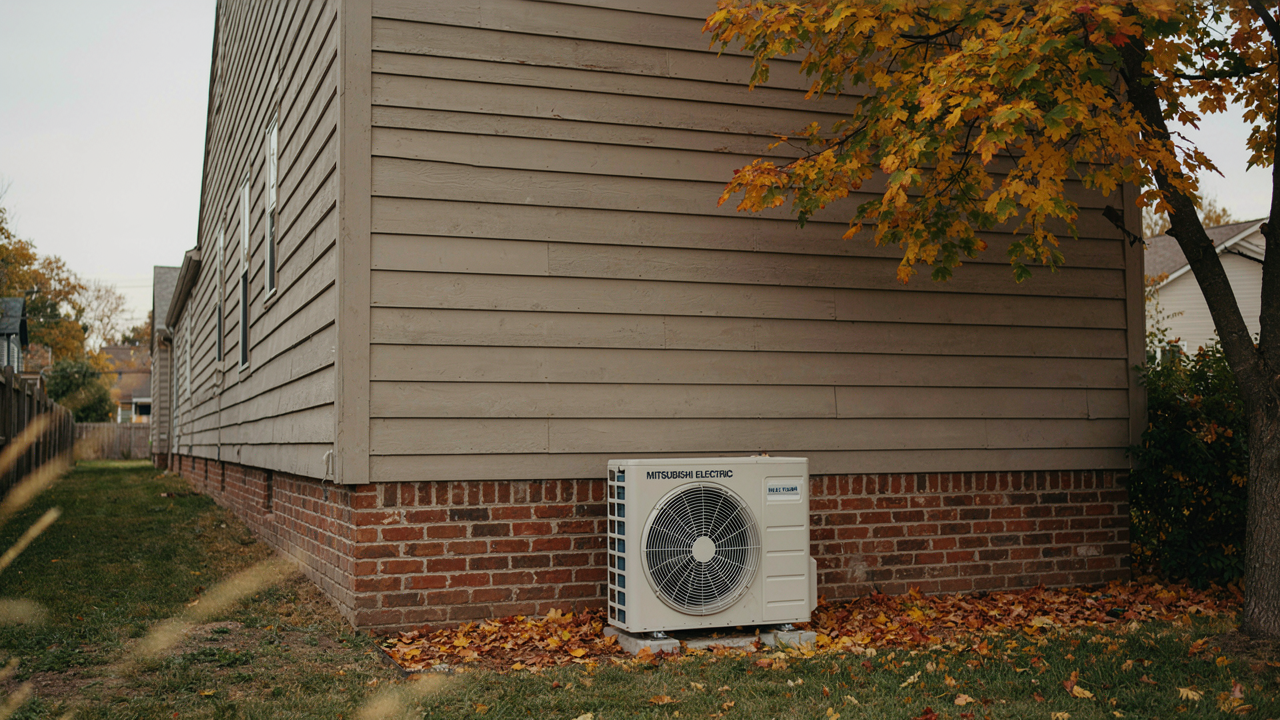

How does fall affect indoor air quality? Seasonal changes can influence how often your HVAC system runs, how much outdoor air enters your home, and how frequently filters and ductwork need attention.
For homeowners looking at Indoor Air Quality Houston solutions, fall is a good time to evaluate what is happening inside the home—not just the temperature on the thermostat.
As temperatures begin to change, your HVAC system may transition between cooling and heating. Windows and doors may also stay closed more often, which can reduce natural air exchange. At the same time, your HVAC system continues to circulate air throughout the home.
That makes fall a useful season to check your filters, ductwork, ventilation, and overall indoor air quality.
How Does Fall Affect Indoor Air Quality?
Fall can change indoor air conditions because the way a home is ventilated and conditioned changes with the season.
In Houston, the transition can be less predictable than in colder climates. Warm afternoons may still require air conditioning, while cooler mornings and evenings can change how frequently the system operates.
When windows remain closed and the HVAC system circulates indoor air, particles and other airborne contaminants can continue moving through the home.
Several factors can influence indoor air quality during this transition, including:
- HVAC filter condition
- Indoor humidity
- Air circulation
- Ductwork condition
- Ventilation
- Outdoor air entering the home
- Household activities and occupancy
There is no single solution for every home. The first step is understanding how the HVAC system is handling the indoor environment.
Why Should You Check Your HVAC Filter in Fall?
Your HVAC filter plays an important role in the air circulating through your home.
As the system operates, the filter captures airborne particles before they continue through the HVAC system and into living spaces. Over time, filters become loaded with the material they collect.
A filter that is overdue for replacement can restrict airflow and make it harder for the system to operate properly.
That is why checking your filter during the seasonal transition is a simple but important part of HVAC maintenance.
The appropriate replacement schedule depends on factors such as the filter type, system, household conditions, pets, occupancy, and how frequently the HVAC system operates.
If you’re unsure which filter your system needs or how often it should be changed, an HVAC professional can help.
What Does MERV 13 Mean for Indoor Air Quality?
MERV stands for Minimum Efficiency Reporting Values. The MERV rating indicates how effectively an air filter captures certain particle sizes under standardized testing conditions.
A MERV 13 filter can capture a higher percentage of certain smaller airborne particles than lower-rated filters.
However, installing the highest-rated filter available isn’t automatically the right solution for every HVAC system.
A filter that is too restrictive for a particular system can affect airflow. The HVAC equipment needs to be capable of operating properly with the selected filter.
That’s why MERV 13 should be considered as part of the entire HVAC system—not as a standalone upgrade.
Can Dirty Ductwork Affect Indoor Air Quality?
Your ductwork is responsible for distributing conditioned air throughout your home.
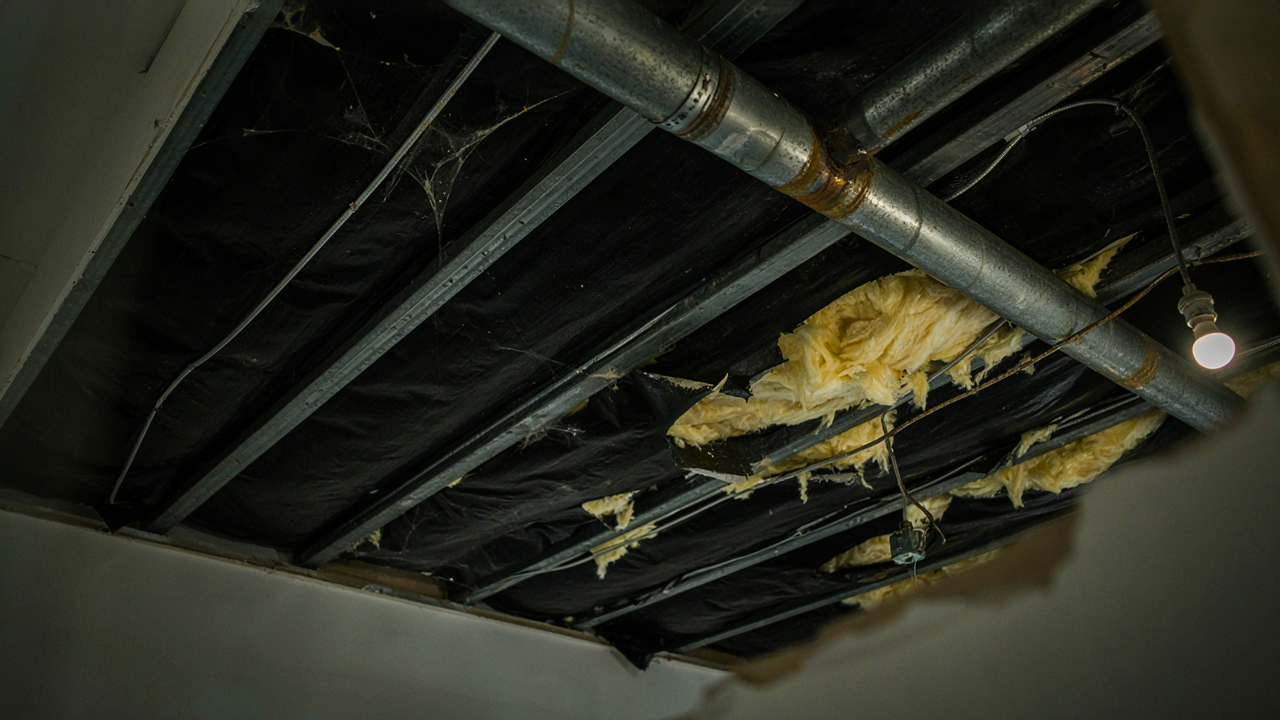
If ducts have accumulated dust or have other issues affecting their condition, they can become part of the overall indoor air quality conversation.
Ductwork can also affect airflow. Leaks, restrictions, poor connections, or inadequate design can influence how effectively conditioned air reaches different parts of the home.
For example, you might notice:
- Uneven temperatures between rooms
- Weak airflow from certain vents
- Excessive dust
- Rooms that are difficult to keep comfortable
- HVAC systems that seem to run longer than expected
These symptoms can have multiple causes, so ductwork should be evaluated alongside the HVAC equipment and airflow.
Why Does Ventilation Matter in Fall?
Ventilation is another important part of indoor air quality.
A home needs appropriate air exchange to manage indoor conditions. But opening windows isn’t always the best solution in Houston, particularly when outdoor temperatures or humidity are high.
Mechanical ventilation can provide a more controlled way to introduce outdoor air, depending on the building and HVAC system.
A professional evaluation can help determine whether ventilation is appropriate for your home’s needs and how it interacts with the existing HVAC system.
The objective is to balance outdoor air exchange with temperature, humidity, and HVAC performance.
Does Indoor Humidity Matter in Houston During Fall?
Absolutely.
Even as temperatures become more comfortable, Houston can continue to experience significant humidity.
Indoor humidity can influence how comfortable a home feels and can also affect the overall indoor environment.
Your HVAC system plays a role in managing both temperature and humidity. If the system isn’t operating properly, indoor conditions may become less comfortable even when the thermostat shows the desired temperature.
That’s another reason why indoor air quality shouldn’t be considered separately from HVAC performance.
What Can Homeowners Do to Improve Indoor Air Quality This Fall?
You don’t necessarily need to make major changes to your HVAC system.
Start with the basics:
1. Check the HVAC filter
Inspect the filter and replace it according to the manufacturer’s recommendations and your home’s conditions.
2. Check airflow
Pay attention to vents with unusually weak airflow or rooms that consistently feel different from the rest of the home.
3. Look at the ductwork
If you’re experiencing excessive dust, uneven temperatures, or airflow issues, have the duct system evaluated.
4. Consider the filter rating
If you’re considering a MERV 13 filter, make sure your HVAC system can accommodate it properly.
5. Evaluate ventilation
If your home feels stuffy or you’re concerned about air exchange, ask an HVAC professional whether your current ventilation setup is appropriate.
6. Schedule an HVAC evaluation
If multiple issues are happening at once, a professional assessment can help determine whether the problem is related to filtration, airflow, ductwork, ventilation, equipment performance, or a combination of factors.
Why Fall Is a Good Time for an IAQ Check
Seasonal transitions are useful reminders to look at the HVAC system as a whole.
Your system may be shifting between cooling and heating, your home’s ventilation patterns may change, and filters that have been working through Houston’s long cooling season may need attention.
Addressing these issues before the system enters another demanding season can help you identify potential problems earlier.
At Punbar Air, we look beyond the thermostat to understand how the HVAC system is performing, including factors such as airflow, filtration, ductwork, and indoor air quality.
If you’re concerned about Indoor Air Quality Houston homeowners experience this fall, contact Punbar Air to discuss your home’s HVAC and IAQ needs.
Frequently Asked Questions
1. How does fall affect indoor air quality?
Fall can change indoor air quality because HVAC usage, ventilation, humidity, and air circulation patterns may change as temperatures transition. Homes may also remain closed more often, making filtration and ventilation more important considerations.
2. Is MERV 13 a good filter for every HVAC system?
Not necessarily. MERV 13 filters can provide higher filtration of certain airborne particles, but the filter must be compatible with the HVAC system. A professional can help determine whether the system can handle the selected filter without negatively affecting airflow.
3. Can ductwork affect indoor air quality?
Yes. Ductwork is part of the system that distributes air throughout the home. Its condition, cleanliness, sealing, and airflow can all influence how effectively the HVAC system circulates conditioned air.
By Calixto Armas