
Ductwork inspection Houston homeowners schedule can reveal problems that are easy to overlook but may affect the performance of an entire HVAC system. Even when an air conditioner or furnace is working properly, leaking or poorly sealed ducts can prevent conditioned air from reaching the rooms where it is needed.
So, what can poorly sealed ducts cost you? They can contribute to energy waste, uneven temperatures, reduced indoor comfort, and unnecessary strain on HVAC equipment. In some situations, duct leaks can also allow dust and other contaminants from unconditioned spaces to enter the air distribution system.
For Houston homeowners, where air conditioning operates for extended periods during hot and humid weather, ductwork condition deserves attention. Understanding what an inspection involves can help identify problems before they become more expensive or difficult to address.
How Do Leaky HVAC Ducts Affect Your Home?
Ductwork distributes conditioned air from your HVAC equipment to different rooms and returns air to the system for continued circulation.
When connections are loose, seams are poorly sealed, or ducts are damaged, some of that air may escape before reaching its destination.
The location of the leak matters. A duct leaking into an attic, garage, or crawl space can waste conditioned air outside the home’s living area. Return-side leaks can also draw air from unintended spaces into the HVAC system.
These problems may not be immediately visible, but homeowners can notice their effects through changes in comfort, airflow, and system operation.
5 Hidden Costs of Poorly Sealed Ductwork
A duct leak may seem like a minor issue, but its consequences can extend beyond the duct itself.
1. Higher Energy Bills
When conditioned air escapes through duct leaks, the HVAC system may need to operate longer to maintain the desired indoor temperature.
This can contribute to higher energy consumption, particularly during Houston’s long cooling season.
The actual impact depends on the location and size of the leaks, duct insulation, system configuration, and how frequently the equipment operates.
Sealing ductwork can help reduce unnecessary air loss, although the savings will vary from one home to another.
2. Uneven Temperatures Between Rooms
Have you ever noticed that one bedroom feels warmer than the living room, even though both areas use the same HVAC system?
Duct leakage may be one possible explanation.
When supply ducts lose air before it reaches certain rooms, those areas may receive less conditioned air than intended.
However, uneven temperatures can also result from duct sizing, restricted airflow, insulation problems, equipment capacity, or room exposure to sunlight.
A professional inspection can help determine whether duct leakage is actually contributing to the problem.
3. Longer HVAC Operating Cycles
A system that struggles to maintain the thermostat setting may run for longer periods.
If duct leaks are contributing to the problem, conditioned air may not reach the intended spaces efficiently.
Extended operation does not automatically mean the equipment is failing. It may indicate that the air distribution system needs attention.
Inspecting ductwork alongside HVAC performance can help identify whether the problem comes from the equipment, the ducts, or a combination of factors.
4. Reduced Indoor Comfort and Humidity Control
Houston’s outdoor humidity makes indoor moisture management an important part of residential HVAC performance.
Leaky ducts can interfere with how conditioned air is distributed throughout the home. Depending on where the leaks occur, they may also allow humid air from an attic or other unconditioned area to enter the duct system.
This can make it harder to maintain consistent indoor comfort.
Duct leakage is not the only cause of humidity problems, however. Equipment sizing, cooling performance, ventilation, insulation, and other building conditions also matter.
5. Dust and Air Quality Concerns
Return-side duct leaks can pull air from areas that are not intended to supply the home’s living spaces.
Depending on the location, this air may contain dust, insulation particles, or other unwanted material.
This does not mean every duct leak creates an indoor air quality problem. The risk depends on the type of leak, its location, and the surrounding conditions.
Still, inspecting the duct system can help identify unwanted air pathways and determine whether sealing or other corrective work is necessary.
What Happens During a Professional Ductwork Inspection Houston?
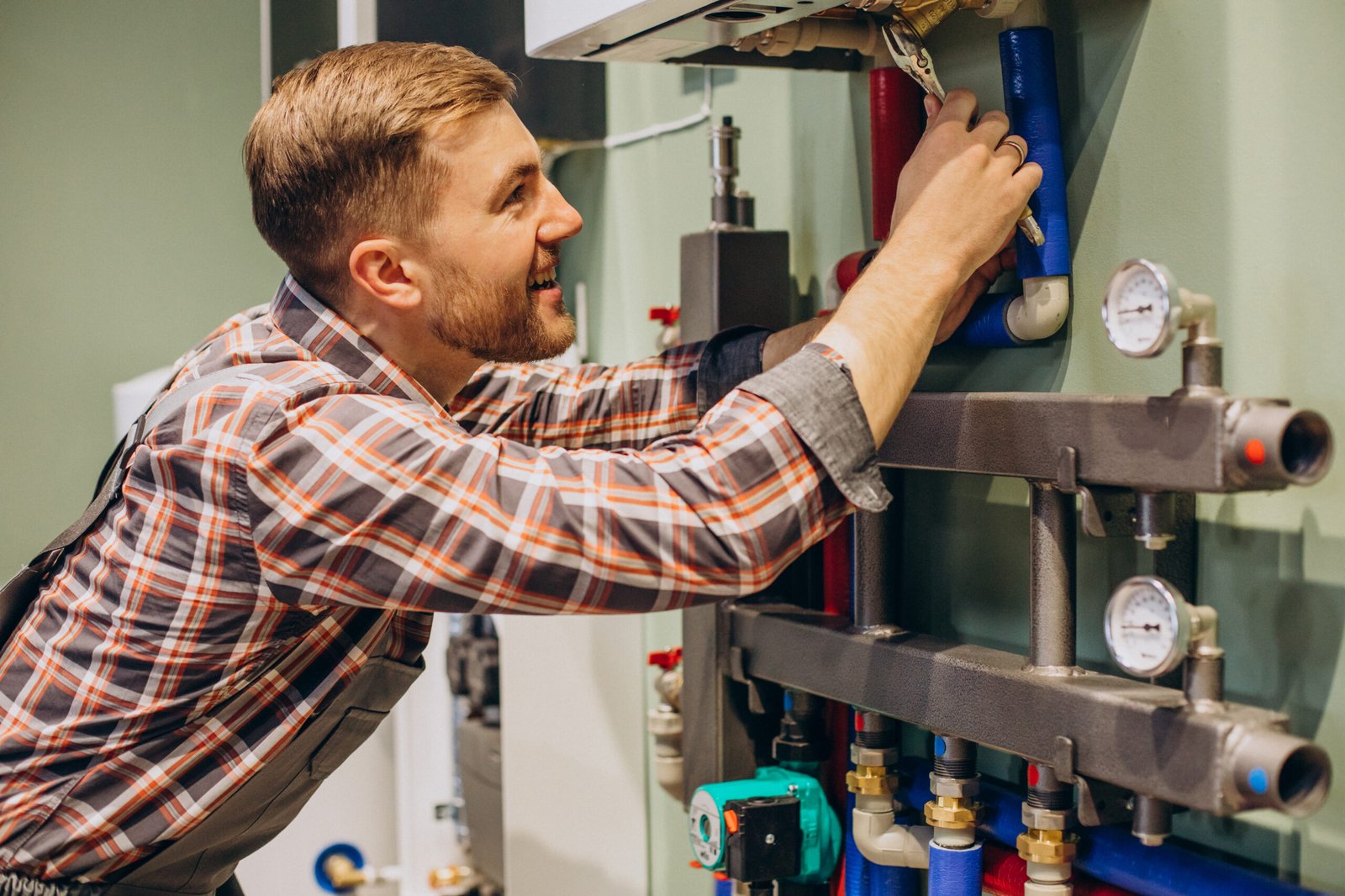
A ductwork inspection should go beyond looking at visible vents.
A technician needs to understand how the entire air distribution system is configured and whether it is delivering the expected airflow.
Depending on the home and the symptoms reported, an inspection may include:
Visual ductwork assessment: Checking accessible ducts for disconnected sections, damaged insulation, loose joints, visible gaps, or deteriorated materials.
Connection and seal inspection: Examining joints, transitions, and connections where air leakage may occur.
Airflow evaluation: Assessing whether air is being distributed properly through the supply and return system.
Static pressure testing: Measuring resistance to airflow within the HVAC system. High or unusual static pressure readings may indicate restrictions or other system problems that deserve further investigation.
Duct leakage testing: When appropriate, specialized testing can help quantify how much air escapes from the duct system.
The exact inspection process depends on the duct layout, accessibility, equipment, and symptoms affecting the home.
A useful evaluation should explain what was found, which issues affect performance, and what repairs or improvements are recommended.
Can Sealing Ductwork Improve HVAC Performance?
Yes, sealing confirmed duct leaks can help reduce conditioned air loss and improve air distribution.
However, the right solution depends on the condition and design of the duct system.
For example:
- Loose connections may need to be properly reconnected and sealed.
- Gaps at accessible joints may require appropriate duct-sealing materials.
- Damaged duct sections may need repair or replacement.
- Ducts with deteriorated insulation may require insulation improvements.
- Airflow restrictions may require additional evaluation beyond sealing.
It is important to use materials designed for HVAC duct applications. Ordinary household tape is not a reliable long-term solution for many duct-sealing situations.
Homeowners should also avoid sealing or modifying ductwork without understanding the system’s design. Corrective work should preserve the intended airflow and meet applicable requirements.
Why Ductwork Matters in Houston Homes
Houston homeowners often focus on the air conditioning unit because it is the most visible part of the HVAC system.
But equipment performance depends on more than the condenser or air handler. Ductwork, airflow, insulation, and system pressure all influence how effectively conditioned air reaches the home.
During long periods of high outdoor temperatures, even relatively small distribution problems can affect comfort.
That is why ductwork should be considered part of the complete HVAC system rather than an isolated component.
Cool Techies evaluates HVAC performance and ductwork conditions to help homeowners understand what may be affecting their comfort.
If certain rooms never feel comfortable, your energy bills seem unusually high, or your system runs longer than expected, a professional ductwork inspection may help identify the cause.
Call 832-400-5730 to schedule HVAC service in Houston, Katy, and surrounding areas.
Frequently Asked Questions
How do I know if my HVAC ducts are leaking?
Common signs include uneven room temperatures, weak airflow from certain vents, higher-than-expected energy bills, and difficulty maintaining indoor comfort. These symptoms can have other causes, so a professional inspection is needed to confirm duct leakage.
Does sealing ductwork reduce energy bills?
Sealing significant duct leaks can reduce conditioned air loss and may lower energy consumption. The actual savings depend on the extent and location of the leaks, the HVAC system, and the home’s overall condition.
How often should HVAC ductwork be inspected?
There is no single inspection schedule that applies to every home. Ductwork should be evaluated when homeowners notice airflow or comfort problems, after significant renovations, or when an HVAC professional identifies possible leakage or damage during system service.
By Hilmar Márquez