Imagine it’s October in Houston. You turn on the AC in the afternoon, but by evening, a cool front moves through and you’re ready for heat. A few days later, the cycle starts all over again.
For homeowners in Houston, Katy, and Cinco Ranch, heating and cooling equipment needs to handle more than one season. That’s why a heat pump Houston homeowners are considering can be an interesting alternative to a traditional air conditioner and furnace combination.
But is a heat pump the right investment for your home?
The answer depends on your current HVAC system, energy costs, home layout, comfort preferences, and installation requirements. Let’s explore how heat pumps work, what makes them attractive in Houston’s climate, and what to consider before making a decision.
Heat Pump Houston: Why Does This System Make Sense for Local Homes?
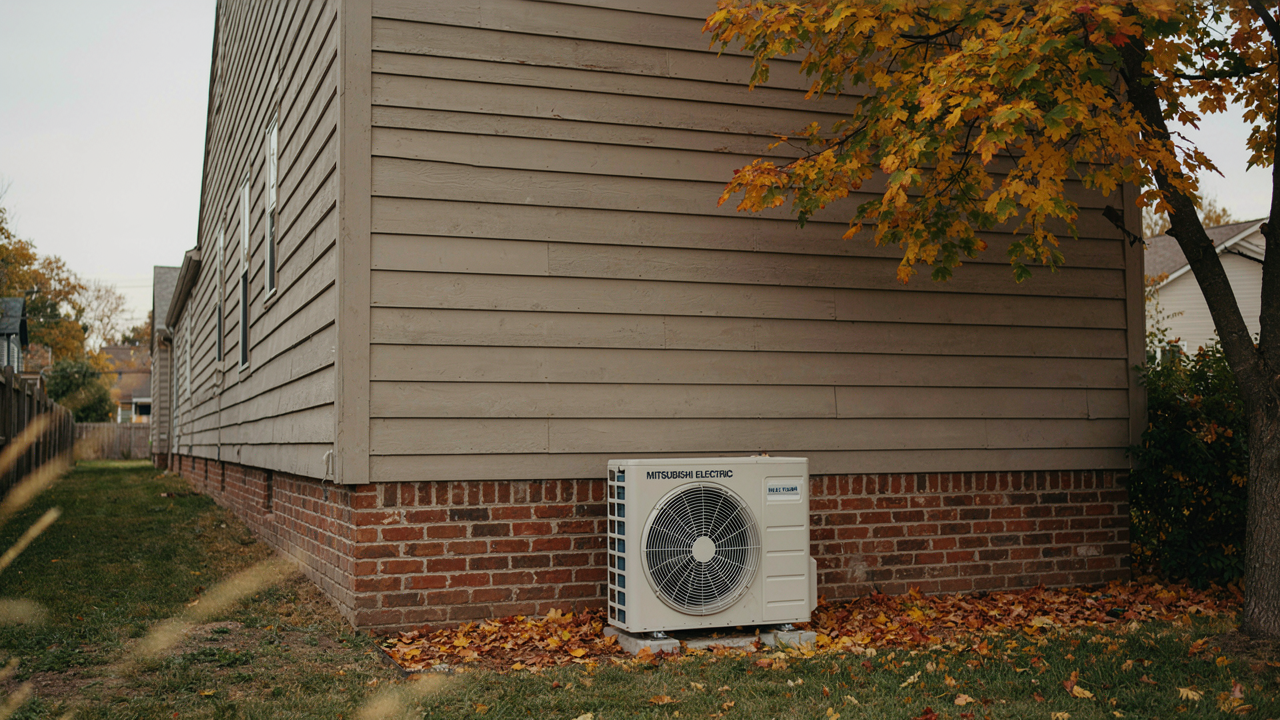
A heat pump is designed to provide both heating and cooling using the same equipment.
During summer, it moves heat from inside your home to the outdoors, just like an air conditioner. When temperatures drop, it reverses the process, transferring available heat from the outdoor air into your home.
According to the U.S. Department of Energy, heat pumps can provide an energy-efficient alternative to separate heating and cooling equipment. Their performance and potential savings depend on the system, climate, and how the home operates.
For Houston homeowners, this versatility is particularly appealing. October’s normal temperatures at Houston’s George Bush Intercontinental Airport range from average highs near 87°F at the beginning of the month to around 78°F at the end, illustrating how quickly heating and cooling needs can shift during fall. Source: National Weather Service.
Instead of maintaining separate primary systems for cooling and heating, a homeowner can use one heat pump system for both functions.
Heat Pump Houston Benefits: One System for Two Seasons
A heat pump can offer several practical advantages:
- Year-round comfort: One system provides both air conditioning and heating.
- Potential energy savings: Heat pumps transfer heat rather than generating it directly, which can make them more efficient than electric resistance heating.
- Cooling performance: In summer, the system operates using the same basic heat-transfer principle as an air conditioner.
- Space flexibility: Depending on the home’s design, homeowners can choose ducted or ductless configurations.
However, these benefits aren’t automatic. The equipment must be properly selected, installed, and maintained for the specific home.
Are Heat Pumps a Good Choice for Houston Homes?
Yes, heat pumps can be an excellent option for many Houston homes because the region’s climate is generally well suited to air-source heat pump technology.
Houston experiences long, hot summers and relatively mild winters compared with colder parts of the country. A heat pump can handle the cooling season while also providing heat when temperatures fall.
But the best choice depends on the property’s needs.
For example, a homeowner replacing an aging electric heating system may find a heat pump attractive because of its heating efficiency. Someone with a functioning gas furnace and central AC, on the other hand, may need a more detailed comparison of installation costs, energy prices, and expected operating expenses.
The U.S. Department of Energy’s guidance on heat pump systems explains the different configurations and potential efficiency benefits.
Heat Pump Efficiency in Houston’s Climate
Heat pumps are often discussed in terms of efficiency because they move heat instead of producing it through electric resistance.
That distinction matters when comparing equipment options. However, efficiency ratings alone don’t tell the entire story.
Actual operating costs depend on electricity and gas rates, equipment efficiency, thermostat settings, system sizing, insulation, and household usage.
When comparing systems, look at the equipment’s cooling and heating performance ratings, including SEER2 and HSPF2 where applicable. ENERGY STAR certification can also help homeowners identify qualifying high-efficiency models.
The goal is to compare the expected performance of the complete system—not just choose the unit with the most impressive number.
Heat Pump vs. Traditional HVAC: Which Is Better?
There’s no universal winner. Both configurations can provide reliable comfort when properly designed and maintained.
| Feature | Heat Pump | Traditional AC + Furnace |
| Cooling | Yes | Yes, through the AC |
| Heating | Yes | Yes, through the furnace |
| Main equipment | One system handles both functions | Separate cooling and heating equipment |
| Heating energy source | Usually electricity | Often natural gas or electricity |
| Potential efficiency advantage | Can be highly efficient for heating | Depends on the AC and furnace models |
| Best fit | Homes where an all-electric or integrated system makes sense | Homes where existing equipment, fuel costs, or preferences favor separate systems |
A heat pump isn’t automatically cheaper to operate than every AC-and-furnace combination. For example, a homeowner with inexpensive natural gas and a relatively efficient furnace may have different operating costs than someone using electric resistance heat.
A professional comparison should account for your existing setup and local utility rates.
What Should You Consider Before Installing a Heat Pump?
Choosing the right system involves more than deciding whether you like the technology.
1. Your Current HVAC Equipment
Are you replacing an aging AC unit, a furnace, or both?
If your current equipment is nearing the end of its useful life, it may be worth comparing a heat pump installation with a traditional replacement. If one component is still in good condition, the economics may be different.
2. Your Home’s Size and Insulation
A system that’s too large or too small can affect comfort, humidity control, and operating performance.
Insulation, air leakage, windows, ceiling height, and other building characteristics also influence heating and cooling demand. A proper load calculation helps determine the capacity your home needs.
3. Ductwork and Airflow
Existing ductwork can often be used with a ducted heat pump, but its condition and design should be evaluated.
Leaks, restrictions, and inadequate airflow can affect system performance regardless of which equipment you install. In some homes, a ductless heat pump may be worth considering for specific spaces or additions.
4. Installation Costs and Energy Rates
The upfront investment is only one part of the decision.
Ask for a comparison of installation costs, expected operating expenses, equipment efficiency, maintenance requirements, and any applicable incentives that can be verified at the time of purchase.
A higher-efficiency model may cost more initially, so it’s important to determine whether the potential long-term savings justify the additional expense.
Is a Heat Pump a Good Fit for Katy and Cinco Ranch?
The same factors that make heat pumps worth considering in Houston also apply to homes in Katy and Cinco Ranch.
However, two houses in the same neighborhood may have very different heating and cooling needs.
A newer, well-insulated home with suitable ductwork may be a straightforward candidate for a heat pump. An older property with airflow problems, inadequate insulation, or an unusual layout may need improvements before new equipment can deliver its full potential.
If your home has persistent hot spots, uneven temperatures, or high energy bills, those issues should be investigated before choosing replacement equipment.
A new system won’t necessarily correct problems caused by ductwork, insulation, or improper sizing.
How to Know Whether a Heat Pump Is Worth the Investment
Before making a decision, ask your HVAC contractor to evaluate your home’s cooling and heating loads, existing equipment, ductwork, insulation, and energy use.
Then compare the available options based on:
- Proper system sizing
- Heating and cooling efficiency
- Installation requirements
- Estimated operating costs
- Expected equipment lifespan and maintenance
- Your household’s comfort priorities
This approach helps you make an informed decision based on the building’s actual requirements rather than general claims about energy savings.
Explore Your Heat Pump Options With Punbar Air
A heat pump can be a smart choice for Houston homeowners looking for year-round comfort and potentially improved heating efficiency. But the right system depends on the home, the existing equipment, and the overall cost of ownership.
At Punbar Air, we focus on HVAC system performance, proper evaluation, and solutions suited to each property’s needs.
Whether you’re considering a heat pump for your home in Houston, Katy, or Cinco Ranch, our team can help you explore your options and understand what your system needs.
Thinking about upgrading your HVAC system? Contact Punbar Air to discuss whether a heat pump is the right fit for your home.
Frequently Asked Questions
1. Are heat pumps a good choice for Houston homes?
Yes. Heat pumps can work well in Houston’s climate because they provide efficient heating and cooling in one system. The best option depends on the home’s design, existing equipment, energy rates, and installation requirements.
2. Can a heat pump lower my energy bills in Houston?
It may, particularly if it replaces less-efficient heating equipment, such as electric resistance heating. Actual savings depend on the system’s efficiency, electricity and gas prices, home insulation, and household usage.
3. Can a heat pump replace both my AC and furnace?
Yes. A heat pump can provide both heating and cooling, potentially replacing a separate air conditioner and furnace. In some installations, supplemental heating may still be appropriate, depending on the equipment and home.
By Calixto Armas